Breed Dossier No. 010 · Toy Group
Yorkshire Terrier
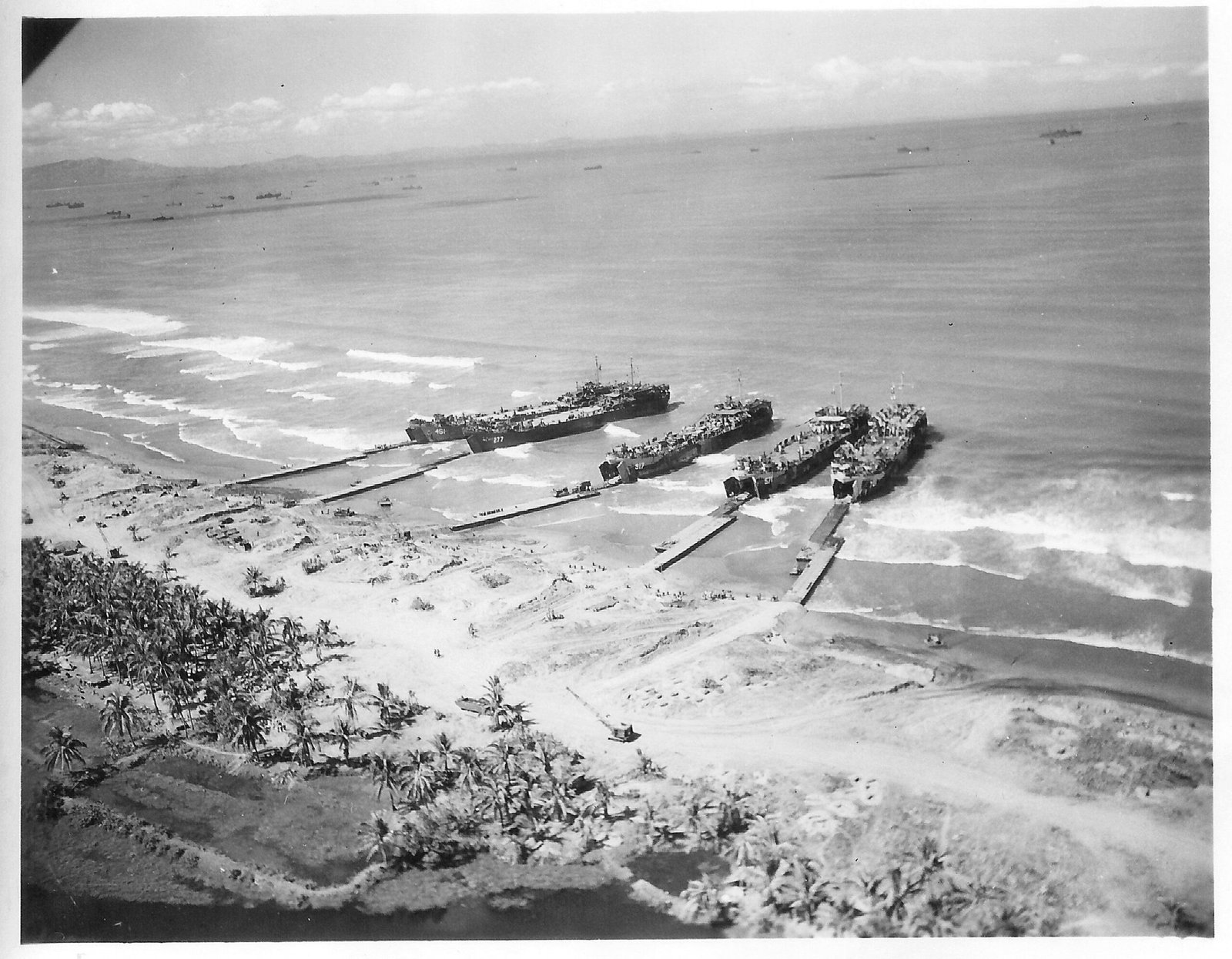
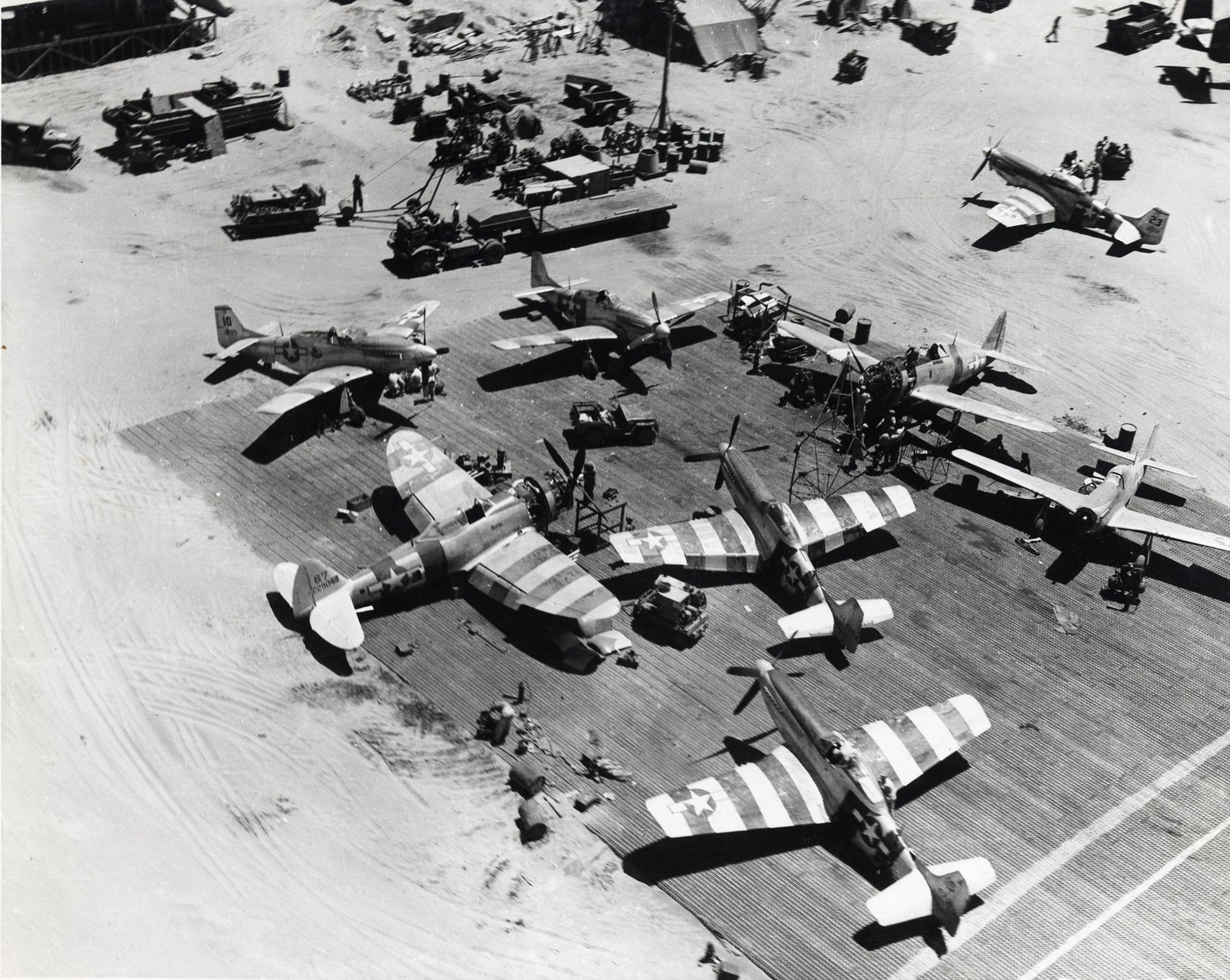
Luzon, the Philippines. Early nineteen forty-five. Under an American airfield runs a pipe seventy feet long and eight inches wide. The soldiers need a wire on the other side. Without it, they will have to dig a trench by hand, out in the open, and move their aircraft out of cover while they do it. Her name is Smoky. She is a Yorkshire Terrier.[1][2][3][4][5]
The ratter who crawled into the dark.
Ownership scorecard
Know the dog before you choose.
Barking Past editorial estimates, not scientific measurements. Higher health burden means more care to plan for. Individuals differ.
Trainability
7/10
Make training part of the relationship.
Energy
6/10
Leave room for play and exploration.
Family fit
7/10
Match handling and routine to the individual.
Health burden
6/10
Ask about congenital liver-shunt risk.
Forged in function
From the mill to the parlour.
In about eighteen sixty-five, in Huddersfield, a dog was born who would change everything. His name was Huddersfield Ben. He had the long, flowing coat that would become the breed's signature. The American Kennel Club says he excelled in rat-baiting competitions. He became known as the father of the breed.[6][13][7]
The silky-coated terrier became a fashionable companion. By the 1940s, the breed had fallen out of favour in America.[6]
A dog in the foxhole
Smoky finds her person.
New Guinea, nineteen forty-four. Deep in the jungle, an American soldier finds a tiny dog in an abandoned foxhole, alone. No one knows how she got there. A corporal from Cleveland, Ohio, an aerial photographer called Bill Wynne, buys her for two Australian pounds. He names her Smoky.[3][15][16][6][5]
In nineteen forty-four, Wynne came down with dengue fever and was sent to the two hundred and thirty-third Station Hospital. A couple of days in, his friends brought Smoky to see him. The nurses were charmed. They asked if they could take her round the wards, bed to bed, to the other patients. Some were men wounded in the invasion of Biak Island. For five days, the nurses collected her each morning. Each night, she slept in Wynne's bed.[2][3][17][18]
Seventy feet
The wire reached the other side.
The Signal Corps needed telegraph wire through a 70-foot pipe just eight inches wide beneath a runway. Wynne called to Smoky from the far end.[4]
She made the crossing, helping carry the wire through. The National WWII Museum describes a job expected to take days completed in minutes.[4]
After the war, Smoky went home with Wynne to Cleveland. She appeared on television and continued hospital visits. She died in February 1957. On Veterans Day 2005, Susan Bahary’s bronze sculpture of Smoky in a soldier’s helmet was dedicated in Rocky River Reservation to Smoky and the dogs of all wars.[16][2][20]
Health without spin
Ask about health before choosing a puppy.
Liver shunts
Yorkshire Terriers have an increased risk of congenital portosystemic shunts. Research suggests an inherited component, but the mechanism is unresolved. Ask a breeder and veterinarian about the breed’s health risks.[23]
The “teacup” label
“Teacup” is not a recognised separate breed. The Royal Kennel Club warns that very small dogs can face health problems; ask about health rather than choosing solely for extreme smallness.[22]
Best owner
Someone who wants to train and engage with a small companion as a dog in its own right.
Worst mismatch
A home choosing a puppy solely because it is the smallest available, or treating size as proof that health checks do not matter.
The Provisions · Dossier No. 010
The Yorkshire Terrier Kit
Useful categories to compare for your own dog. Search links, with no product or price promise.
I. Daily training
Small dog training treat pouch
Search AmazonSmall dog snuffle mat
Search AmazonSmall dog puzzle toy
Search AmazonII. Walks together
Small dog adjustable harness
Search AmazonLightweight small dog leash
Search AmazonSmall dog travel water bowl
Search AmazonIII. Coat care
Small dog grooming comb
Search AmazonSoft dog grooming brush
Search AmazonSmall dog nail clippers
Search AmazonThe Medallion
Original Barking Past bronze-style artwork for Yorkshire Terrier.

Yorkshire Terrier
Bronze-style medallion artwork. T-shirt preparation is underway; ordering is not available from this preview.
As an Amazon Associate, Barking Past earns from qualifying purchases. Purchases through these search links may earn a commission at no extra cost to you. This page is general information; ask your veterinarian about your own dog’s health and care.
Provenance
Sources and further reading
- FilipiKnow — Smoky, war-dog hero in the Philippines
- National Geographic — Smoky: war, healing and the Yorkshire Terrier
- Wikipedia — Smoky (war dog)
- National WWII Museum — Best Friends Forever
- obits.gazette.com — Bill wynne 1922 2021 photojournalist who trained wwii hero dog smoky
- AKC — Yorkshire terrier history
- Wikipedia — Yorkshire Terrier
- AKC — Yorkshire Terrier breed profile
- AKC — Is the Yorkshire Terrier a Good Fit for You?
- dummies.com — Yorkshire Terriers: the AKC Breed Standard
- KUSA — Yorkshire Terrier breed standard, July 2025
- dev.fci.be — Yorkshire Terrier breed standard
- Wikipedia — Huddersfield Ben
- encyclopaedic.iovan.net — Chapter xlii yorkshire terrier
- military.com — Worlds first therapy dog was world war ii pacific veteran
- clevelandmagazine.com — Smoky the wonder dog
- jamesfell.substack.com — A yorkie doodle dandy
- VFW Magazine — World War II ‘Therapy Dog’ (Kari Williams, August 2018)
- roadsideamerica.com — Smoky memorial: visitor record
- Susan Bahary — Smoky memorial
- jaaha.kglmeridian.com — Tobias2003: congenital portosystemic shunts
- Royal Kennel Club — Buying a teacup dog
- University of Missouri — Tobias2003 congenital portosystemic shunts abstract
The plates
Archival evidence and context