Barking Past · Breed dossier 016
Cane Corso
New York, the late nineteen eighties. At Kennedy Airport, a female from Sicily is collected with her puppies already in the crate — as Michael Sottile Junior remembers it. [1]
The unvarnished verdict
A guardian needs a thoughtful partner.
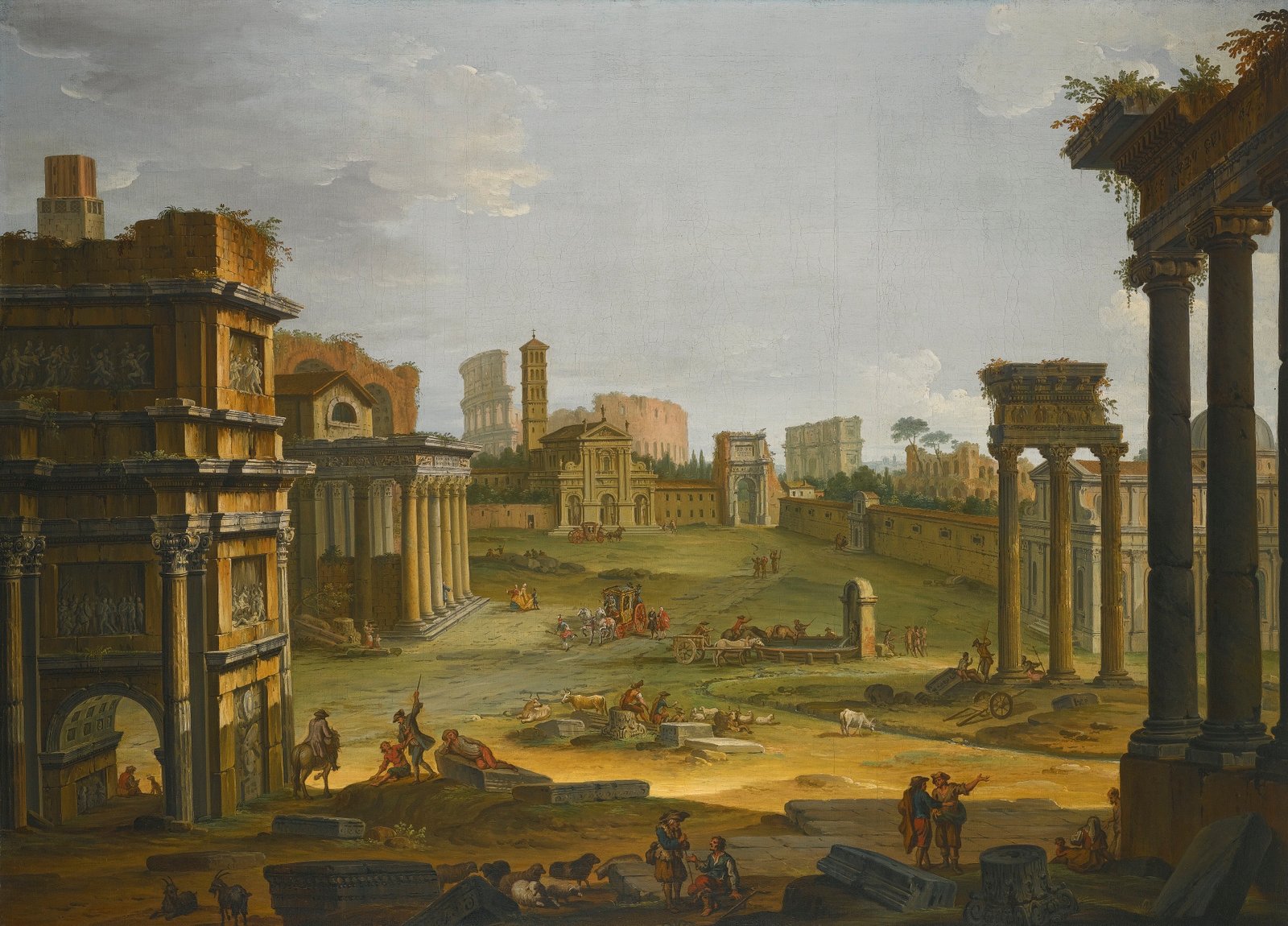
The modern Cane Corso was recovered, not simply preserved. In the late twentieth century, Italian enthusiasts sought out surviving working dogs, bred from them and steered the breed to recognition. The Roman ancestry in official breed literature is tradition, not a documented pedigree. [2] [3]
Ownership scorecard
Editorial estimates, not measured breed statistics. Higher health burden means greater care demands; individuals vary.
Trainability
7/10
Teach clear routines from the start.
Energy
8/10
Give this working guardian purposeful activity.
Family fit
6/10
Plan introductions and supervision around the individual.
Health burden
7/10
Ask about hip screening and family health.
Forged in function
Farm dogs before a breed.
The Italian breed society and the FCI standard describe the Corso as a guardian of property and livestock, also used for cattle work and for hunting large game. Official breed literature claims descent from Roman dogs. That is retrospective tradition: no surviving record traces an unbroken line from ancient war dogs to a modern puppy. [2] [3]
Royal hunts show the work. In the 1780s and 1790s Ferdinand IV, the Bourbon king of Naples, hunted wild boar across his estates north of the city, and his court painter Jakob Philipp Hackert recorded those hunts. In the sforzata at Torcino, near Venafro, dogs drove the boar into a walled enclosure where mounted hunters killed them with lances. In Hackert’s scenes the huntsmen hold heavy brindle and fawn catch dogs on the leash beside the greyhounds: the kind of working molosser later breed histories point to, though a painting is not a pedigree. [11] [12]

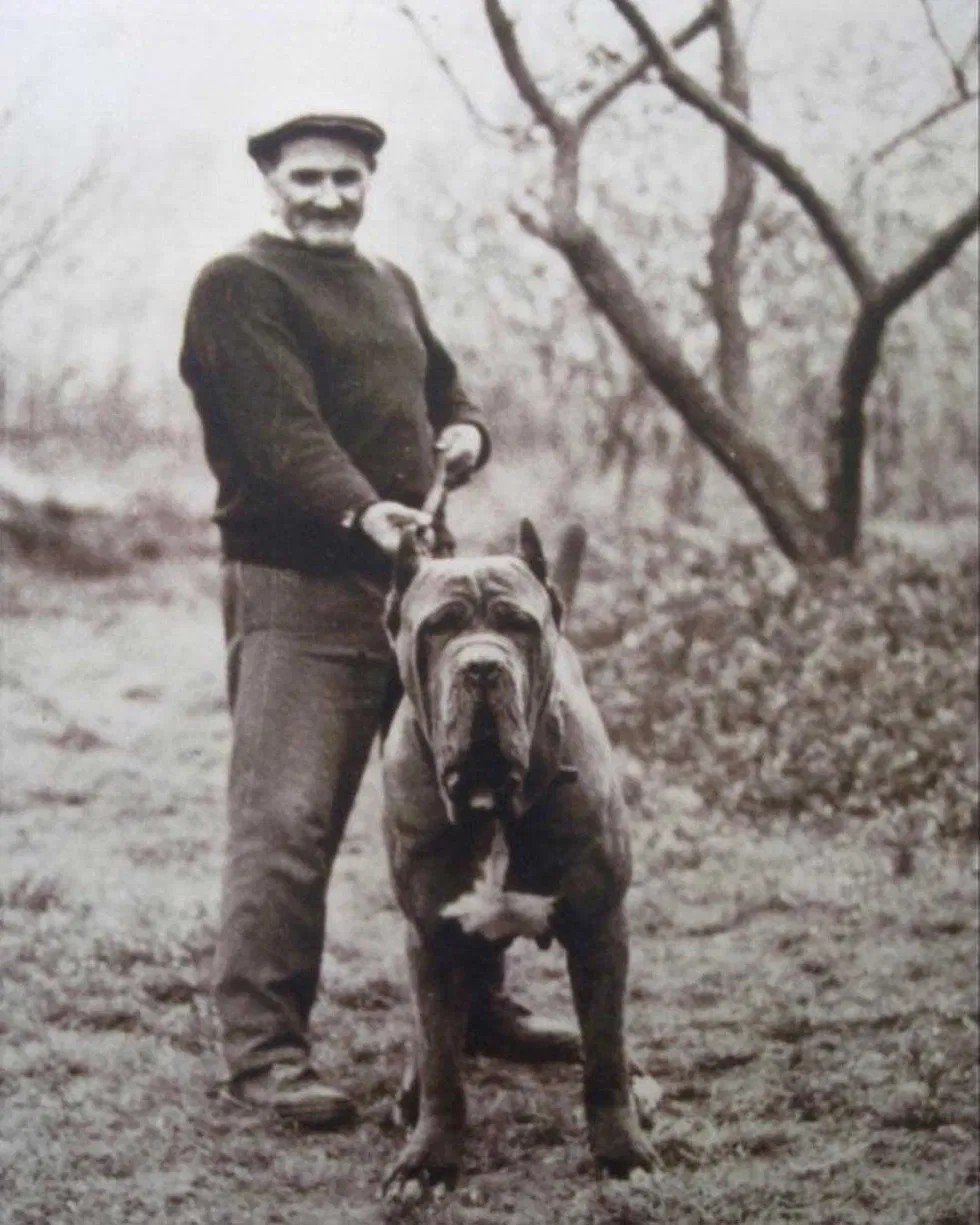
Fernando Casolino’s memories give that working life a human scale. Interviewed for Modern Molosser many years later, he recalled Cecce and her puppy Gemma, who became his escort as a boy, and dogs that were simply part of farm work. It is one man’s oral history, valuable as testimony rather than as a census. [5]
The recovery
Finding the dogs again.
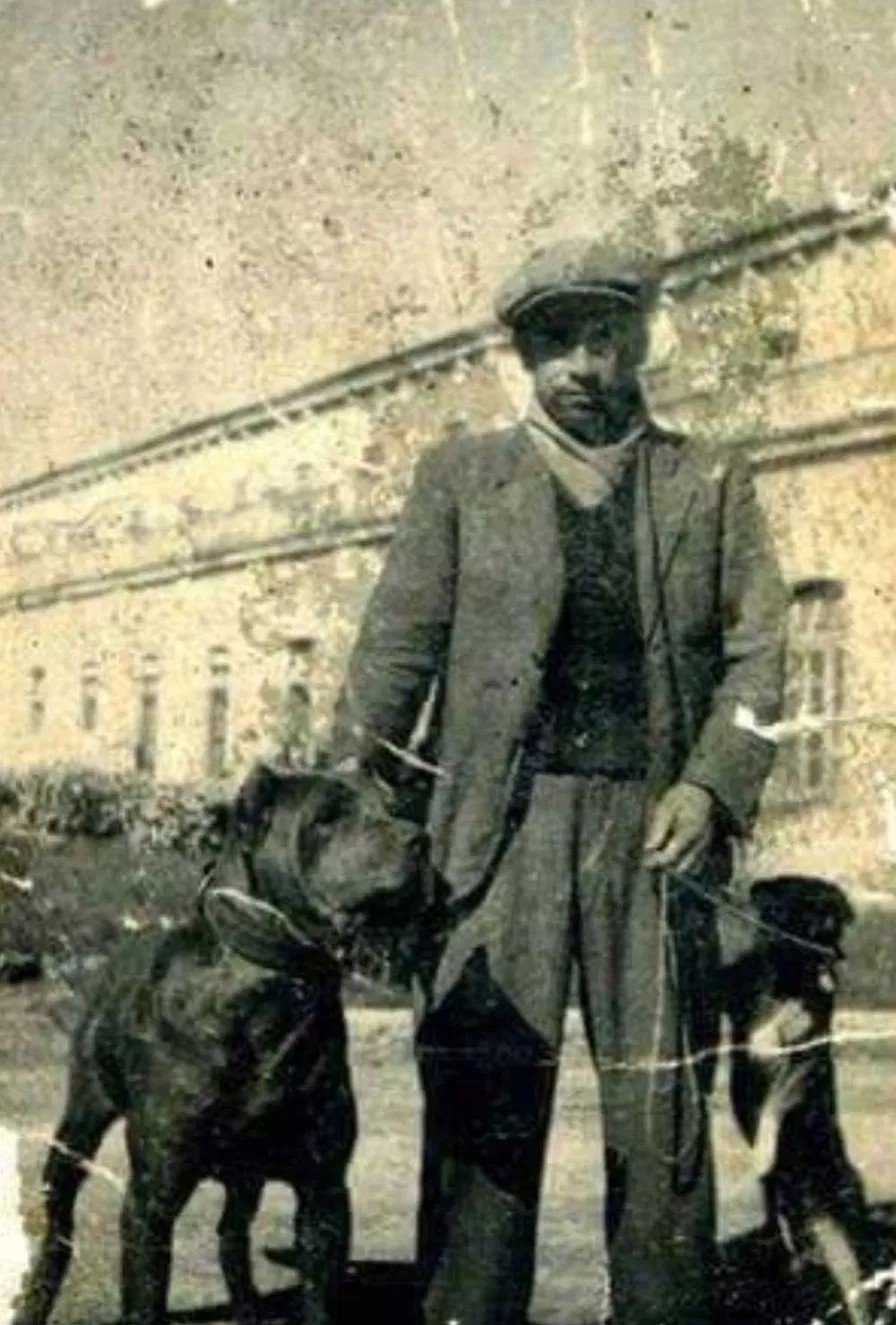
By the 1970s, enthusiasts were searching southern Italy for dogs that still did the old work. The Italian breed society’s own account describes the effort that followed: bringing promising dogs together near Mantua, where litters could be followed instead of disappearing into the countryside. [2]
Casolino remembered the hard part. Owners of useful farm dogs did not always want to sell them, and family connections in Puglia helped the group widen a thin breeding base. His account and the society’s history agree on the larger point: the recovery depended on people who knew where working dogs still lived. [5] [2]
A model dog
Basir, the reference.
Basir was whelped in 1980 in a litter bred by Giancarlo Malavasi and sired by Dauno, and he lived with Casolino. Modern Molosser’s specialist history describes Basir, and to a lesser degree his sister Babak, as the visual models for the breed standard; a side profile of Basir became its illustration. [6] [5]
That makes Basir a reference point, not the whole breed. The Italian breed society’s current commentary still names him a founding sire and prototype, within a recovery built from many dogs. [2] [6]
Across the Atlantic
Puppies in the crate.
Michael Sottile Sr., a Neapolitan Mastiff breeder from Bridgewater, New Jersey, brought the first Corsos from Sicily to the United States. His son, interviewed by Modern Molosser, dates the first litter to “circa 1986–87.” He remembers collecting the female at JFK with puppies already in her wooden crate, the whelping finishing in the family’s basement, fourteen puppies with thirteen surviving, and the mother dying after the birth. [1]
The Cane Corso Association of America tells it with a different date: “as the story goes,” the first litter arrived in 1988, followed by a repeat breeding in 1989. Both versions are later retellings rather than import records, and this dossier does not choose between them. Some breeders have questioned the first dogs’ ancestry; the interview defends it, but cannot settle the dispute on its own. [7] [1]
Living with the history
Health, care and the right home.
Screening to ask about
The Cane Corso Association of America lists hip (OFA or PennHIP), elbow, cardiac and patella evaluations, plus DNA tests for neuronal ceroid lipofuscinosis and dental-skeletal-retinal anomaly. Ask to see each parent’s actual results. Screening reduces uncertainty; it cannot guarantee a healthy puppy. [10]
Proportion before bulk
The Italian breed society’s commentary stresses a powerful but proportionate, functional dog. Prioritise documented health screening and good body condition over maximum size. [2]
Best owner
An engaged owner who enjoys training, understands a guardian’s strength and will plan careful introductions and health screening.
Worst mismatch
A household choosing maximum bulk, or expecting a protective reputation to replace socialisation and daily work.
Prints & provisions
The Kit
The Medallion


A matching T-shirt is not yet available to order.
As an Amazon Associate, Barking Past earns from qualifying purchases. Affiliate purchases may earn us a commission at no additional cost to you. This page is general breed information; discuss your own dog’s health with your veterinarian.
Sources & further reading
- Modern Molosser — Ground Zero: Michael Sottile Jr. on the American Cane Corso (interview)
- Società Amatori Cane Corso, hosted by FCI — Cane Corso breed commentary (2026)
- Fédération Cynologique Internationale — Cane Corso Italiano standard no. 343
- Fédération Cynologique Internationale — Cane Corso Italiano nomenclature record
- Modern Molosser — The Seeker: Fernando Casolino (interview)
- Modern Molosser — Lessons from Basir
- Cane Corso Association of America — Frequently asked questions
- American Kennel Club — Official Cane Corso standard
- American Kennel Club — Cane Corso breed guide
- Cane Corso Association of America — Health testing and CHIC
- Alta Terra di Lavoro — Il mastino di Torcino (Bourbon boar hunts at Torcino and Hackert’s paintings)
- CulturaItalia — Hackert, Caccia al cinghiale di Ferdinando I a Calvi, 1785 (Reggia di Caserta)
From the archive
Plates & context